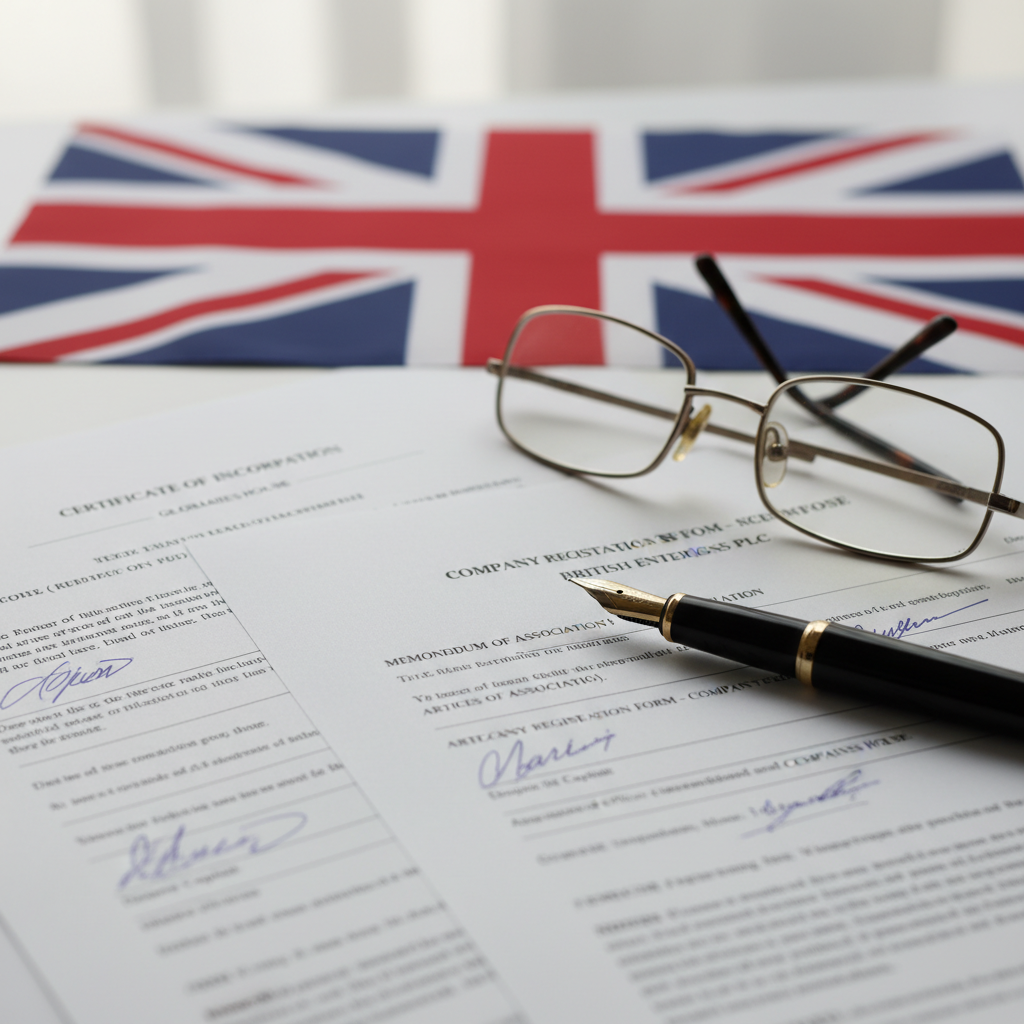
Navigating the UK Business Landscape: A Legal Guide for Expat Entrepreneurs

Starting a business in a new country can be an incredibly exciting venture, but it often comes with a unique set of legal hurdles, especially for expatriates. The UK, with its robust economy and supportive business environment, attracts many international entrepreneurs. However, understanding the specific legal requirements is paramount to ensuring a smooth and successful launch. Let’s break down what you need to know to get your business off the ground in the United Kingdom.
Understanding Your Visa and Immigration Status
The very first step for any expat looking to start a business in the UK is to secure the appropriate immigration status. Without the correct visa, you simply cannot legally operate a business or even reside long-term in the country. The UK offers several visa routes that might be relevant for entrepreneurs.
Innovator Founder Visa
This visa category is designed for experienced business people seeking to establish an innovative, scalable, and viable business in the UK. You’ll need an endorsement from an approved endorsing body, and your business idea must be new, different from anything else on the market, and show high growth potential.
High Potential Individual (HPI) Visa
While not directly for entrepreneurs, the HPI visa allows recent graduates from top global universities to come to the UK for a period of two or three years. During this time, you can work or set up a business, offering a degree of flexibility before needing to switch to another visa category.
Other Visa Routes
Depending on your individual circumstances, other visas might apply, such as a Spouse Visa or a Skilled Worker Visa (though the latter is primarily for employment). It’s always advisable to seek professional immigration advice to ensure you choose the correct path.

Choosing the Right Business Structure
Once your immigration status is sorted, the next crucial decision is determining the legal structure of your business. This choice will impact everything from your liability to how you pay taxes.
Sole Trader
This is the simplest business structure, where you are personally responsible for all business debts. It’s easy to set up and requires minimal paperwork, but offers no legal distinction between you and your business.
Limited Company
By far the most popular choice for startups, a limited company is a separate legal entity from its owners. This means your personal assets are generally protected from business debts. You’ll need to register with Companies House and adhere to more stringent reporting requirements.
Partnership
If you’re starting a business with one or more people, a partnership might be suitable. There are different types, including general partnerships (where partners have unlimited liability) and Limited Liability Partnerships (LLPs), which offer partners limited liability.
Registering with Government Bodies
Regardless of your chosen structure, you’ll need to inform the relevant UK authorities about your new venture.
HM Revenue & Customs (HMRC)
Every business operating in the UK must register with HMRC for tax purposes. If you’re a sole trader, you’ll register for Self Assessment. If you have a limited company, the company itself will be liable for Corporation Tax.
Companies House
If you opt for a limited company or an LLP, you must register your business with Companies House. This involves submitting details about the company’s directors, shareholders, and registered office address.
Banking and Finance
Opening a dedicated business bank account is essential, even for sole traders, to keep personal and business finances separate. Many banks offer specific accounts for startups and small businesses. You’ll also need to consider your financial record-keeping obligations.
Understanding UK Regulations and Compliance
The UK has a robust regulatory framework that businesses must adhere to. Ignoring these can lead to significant penalties.
Data Protection (GDPR)
If your business handles personal data, you must comply with the General Data Protection Regulation (GDPR) and register with the Information Commissioner’s Office (ICO).
Health and Safety
All businesses have a duty to ensure the health and safety of their employees and anyone else affected by their activities. This includes conducting risk assessments and providing a safe working environment.
Industry-Specific Regulations
Depending on your industry, you might need to obtain specific licenses, permits, or adhere to particular regulations. For example, food businesses have different requirements than financial services firms.
Intellectual Property
Consider protecting your brand, inventions, and creative works through trademarks, patents, or copyright. The UK Intellectual Property Office (IPO) can provide guidance on this.
Embarking on an entrepreneurial journey in the UK as an expat is a fantastic opportunity. By thoroughly understanding and addressing these legal requirements from the outset, you can lay a strong foundation for your business and focus on what you do best: innovating and growing.